Comparing Business Management Solutions: Finding the Right Fit for Your Company


In today’s fast-paced business environment, choosing the right business management solution is crucial for success. With numerous options available, it can be overwhelming to find the perfect fit for your company. This guide will help you navigate through different solutions to make an informed decision.
Understanding Your Business Needs
Before diving into specific solutions, it’s essential to understand your company’s unique requirements. Consider the size of your business, industry, and specific operational challenges. A clear understanding of these elements will guide you in selecting a solution that aligns with your goals.
Begin by identifying the key areas where you need support. This could range from inventory management to customer relationship management (CRM). Prioritize these needs to focus on what’s most critical for your operations.

Exploring Popular Business Management Solutions
Enterprise Resource Planning (ERP) Systems
ERP systems are comprehensive solutions that integrate various business processes into a single platform. They are ideal for large organizations looking to streamline operations across departments. Key benefits include improved data accuracy, enhanced productivity, and real-time reporting.
However, ERP systems can be complex and costly to implement. It’s important to consider whether your business has the resources to support such a system, both financially and in terms of manpower.
Customer Relationship Management (CRM) Software
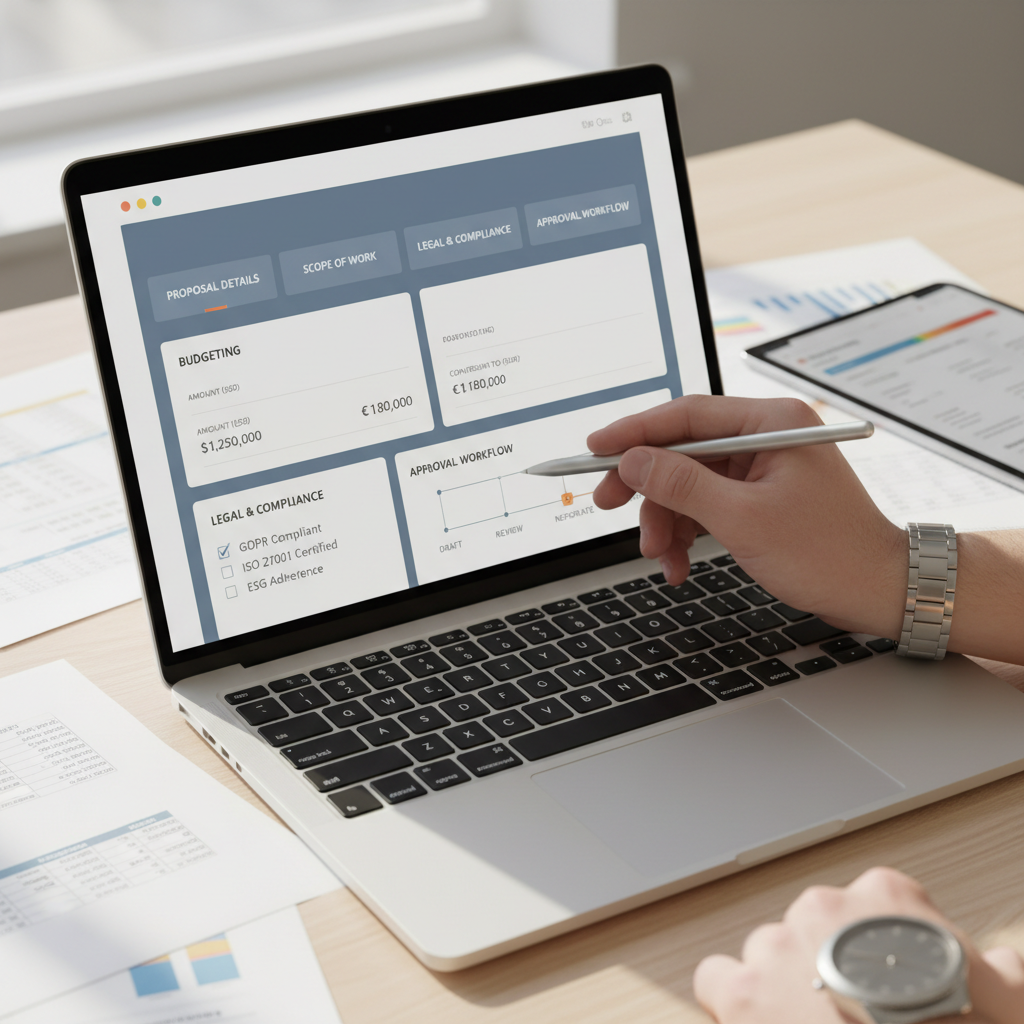
CRM software focuses on improving interactions with customers, making it ideal for businesses that prioritize customer service. These systems offer features like lead tracking, sales forecasting, and customer support management.
For small to medium-sized businesses, CRM solutions can provide significant value by enhancing customer satisfaction and driving sales growth. Look for software that offers scalability to accommodate future growth.
Comparing Cloud-Based vs. On-Premise Solutions
Another important consideration is whether to choose a cloud-based or on-premise solution. Cloud-based solutions offer flexibility, allowing access from anywhere with an internet connection. They often come with lower upfront costs and automatic updates.
On the other hand, on-premise solutions provide more control over data and may be preferred by businesses with stringent security requirements. Evaluate the pros and cons of each option in the context of your business needs.
Evaluating Cost and ROI
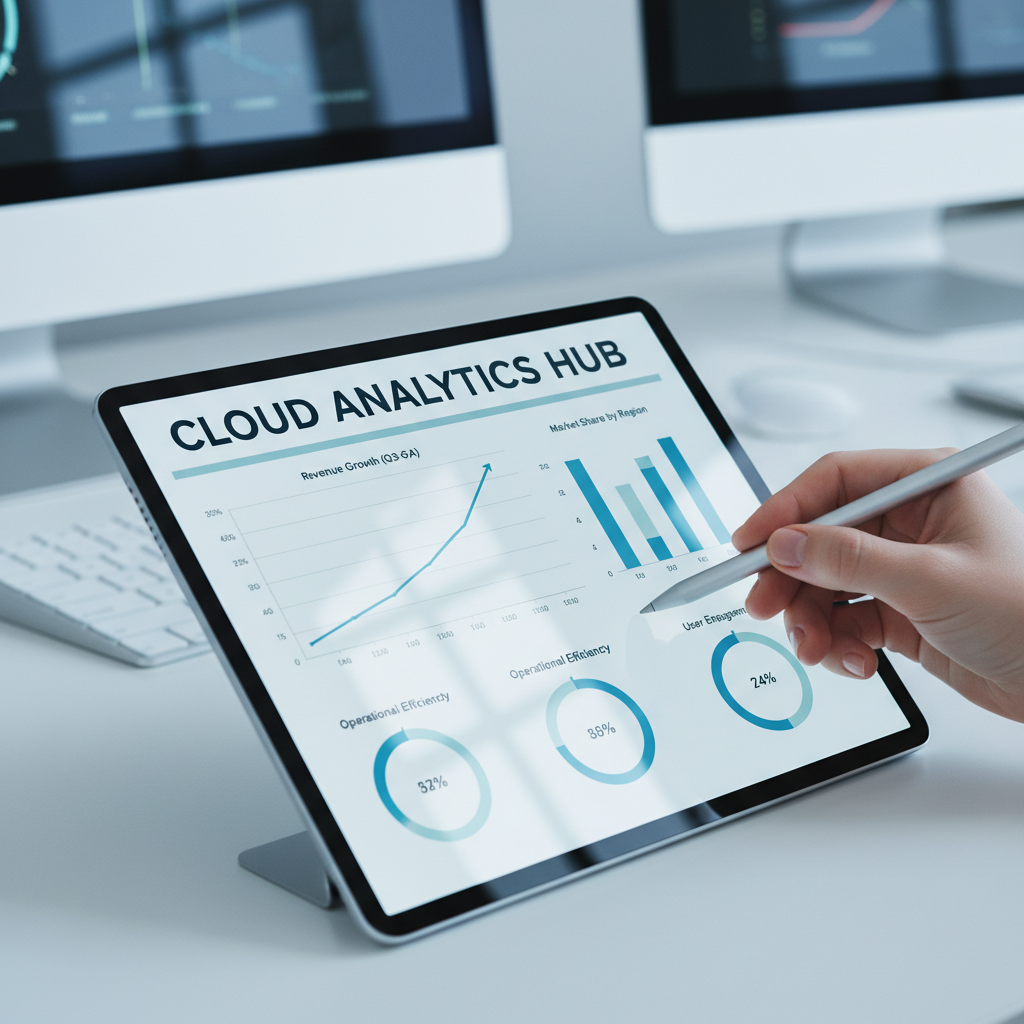
The cost of a business management solution is a critical factor. While upfront costs can be significant, it’s vital to consider the return on investment (ROI). Analyze how the solution will improve efficiency, reduce errors, and ultimately contribute to your bottom line.
Consider the long-term benefits and potential growth facilitated by the solution. A well-chosen system should pay for itself over time through increased productivity and revenue.
Conclusion
Choosing the right business management solution requires careful consideration of various factors, including business needs, solution type, deployment method, and cost. By thoroughly evaluating these aspects, you can find a solution that not only meets your current requirements but also supports future growth.
Investing time and effort in this decision will ultimately lead to a more efficient and successful business operation, positioning your company for long-term success.